


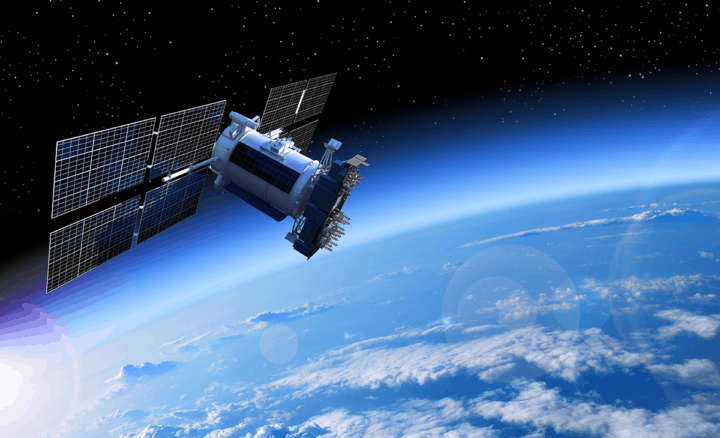
Global Navigation Satellite Systems (GNSS) have become a cornerstone of modern technology, enabling precise positioning, navigation, and timing (PNT) services. These systems, which include well-known networks like GPS, GLONASS, Galileo, and BeiDou, have found widespread use across various industries, transforming the way businesses and governments operate. In this article, we will explore the diverse applications of GNSS system in various sectors and how they contribute to efficiency, safety, and innovation.
What Are GNSS Systems?
GNSS systems are networks of satellites that transmit signals to receivers on Earth, allowing them to determine their precise location (latitude, longitude, and altitude). These systems offer continuous, real-time data that is crucial for a variety of applications, ranging from navigation in vehicles to mapping the Earth’s surface. With advancements in GNSS technology, the accuracy and reliability of these systems have reached remarkable levels, benefiting industries across the globe.
GNSS in the Transportation Industry
Enhancing Navigation and Fleet Management
One of the most well-known applications of GNSS systems is in the transportation sector. From personal vehicles to commercial fleets, GNSS enables accurate navigation and real-time tracking of movement. GPS devices are a staple in cars, trucks, buses, and even airplanes, allowing drivers and operators to efficiently plan routes, avoid traffic congestion, and reach destinations safely and on time.
Moreover, fleet management companies use GNSS systems to track the location of vehicles, monitor fuel consumption, optimize routes, and improve safety standards. With real-time data, businesses can enhance customer service, reduce operational costs, and increase productivity.
Aviation and Maritime Navigation
In aviation, GNSS systems have revolutionized air travel by providing precise and reliable navigation data for aircraft, especially in remote areas where traditional ground-based navigation aids may be unavailable. GNSS-enabled flight management systems help pilots to follow precise flight paths, reduce fuel consumption, and ensure timely arrivals.
Similarly, in maritime industries, GNSS is crucial for navigating ships through vast and often challenging oceanic environments. It ensures safe and accurate navigation, enabling ships to avoid hazards, chart efficient courses, and dock at precise locations.
GNSS in Agriculture and Precision Farming
Revolutionizing Crop Management
In the agricultural industry, GNSS systems play a pivotal role in precision farming, which is transforming the way crops are managed and harvested. Farmers use GNSS-enabled tractors and equipment to monitor and manage fields with exceptional precision. With the ability to pinpoint exact locations, farmers can optimize planting, irrigation, and fertilization techniques to maximize crop yields while minimizing waste.
Precision agriculture, driven by GNSS systems, also allows farmers to monitor soil health, track environmental conditions, and implement variable-rate technologies (VRT) for tailored fertilization. This not only boosts productivity but also helps reduce the environmental footprint of farming practices.
Livestock Monitoring
GNSS systems are also applied in livestock management, where GPS-enabled collars or tags help farmers track the movements of animals in large pastures. This technology provides real-time data on herd location, health, and behavior, ensuring better management and care of livestock.
GNSS in Surveying and Geospatial Applications
Mapping and Construction
Surveyors and construction professionals rely heavily on GNSS technology for accurate land mapping, boundary demarcation, and project planning. High-precision GNSS receivers allow surveyors to measure locations with incredible accuracy, reducing the time spent in the field and minimizing errors.
In construction, GNSS systems guide the placement of structures, ensuring that they are built in the correct locations with precise measurements. This accuracy is critical for ensuring compliance with regulations and avoiding costly mistakes.
Environmental Monitoring and Disaster Management
GNSS is also used in environmental monitoring, such as tracking tectonic plate movements and measuring land subsidence. By combining GNSS data with other geophysical measurements, scientists can monitor natural disasters such as earthquakes, floods, and tsunamis.
In disaster management, GNSS provides real-time location data to first responders and rescue teams, helping them coordinate efforts and deliver aid more efficiently. This can be a life-saving tool when seconds matter.
GNSS in the Telecommunications Industry
Time Synchronization for Networks
Telecommunications networks require precise timing to ensure synchronization across various components, from base stations to data servers. GNSS systems, particularly GPS, are widely used to provide highly accurate time synchronization across these networks. This timing is critical for the functioning of mobile networks, financial transactions, and broadcast signals.
Infrastructure Development
As the demand for 5G and other advanced communication technologies grows, GNSS systems are integral to the construction and maintenance of infrastructure. The precise positioning data provided by GNSS helps in the accurate deployment of cell towers and ensures that wireless signals are efficiently distributed.
GNSS in Mining and Natural Resource Exploration
Exploration and Mapping
In the mining industry, GNSS technology is utilized for exploration, mapping, and surveying mineral resources. GNSS systems enable mining companies to precisely locate mineral deposits, assess terrain, and plan efficient extraction routes. This helps reduce the environmental impact of mining operations while increasing operational efficiency.
Fleet Management in Mining Operations
Large mining operations often involve the coordination of numerous vehicles, heavy machinery, and personnel. GNSS systems are used to track the location and status of all assets within a mining site. This ensures smooth operations, reduces downtime, and enhances safety by preventing accidents and improving the coordination of workers and machinery.
Conclusion: The Future of GNSS Systems Across Industries
Exploring the applications of GNSS systems in various industries highlights the vast potential of this technology to revolutionize sectors ranging from transportation to agriculture, construction, telecommunications, and more. As the accuracy and reliability of GNSS systems continue to improve, their integration into emerging technologies such as autonomous vehicles, drones, and smart cities will open new doors for innovation.
