


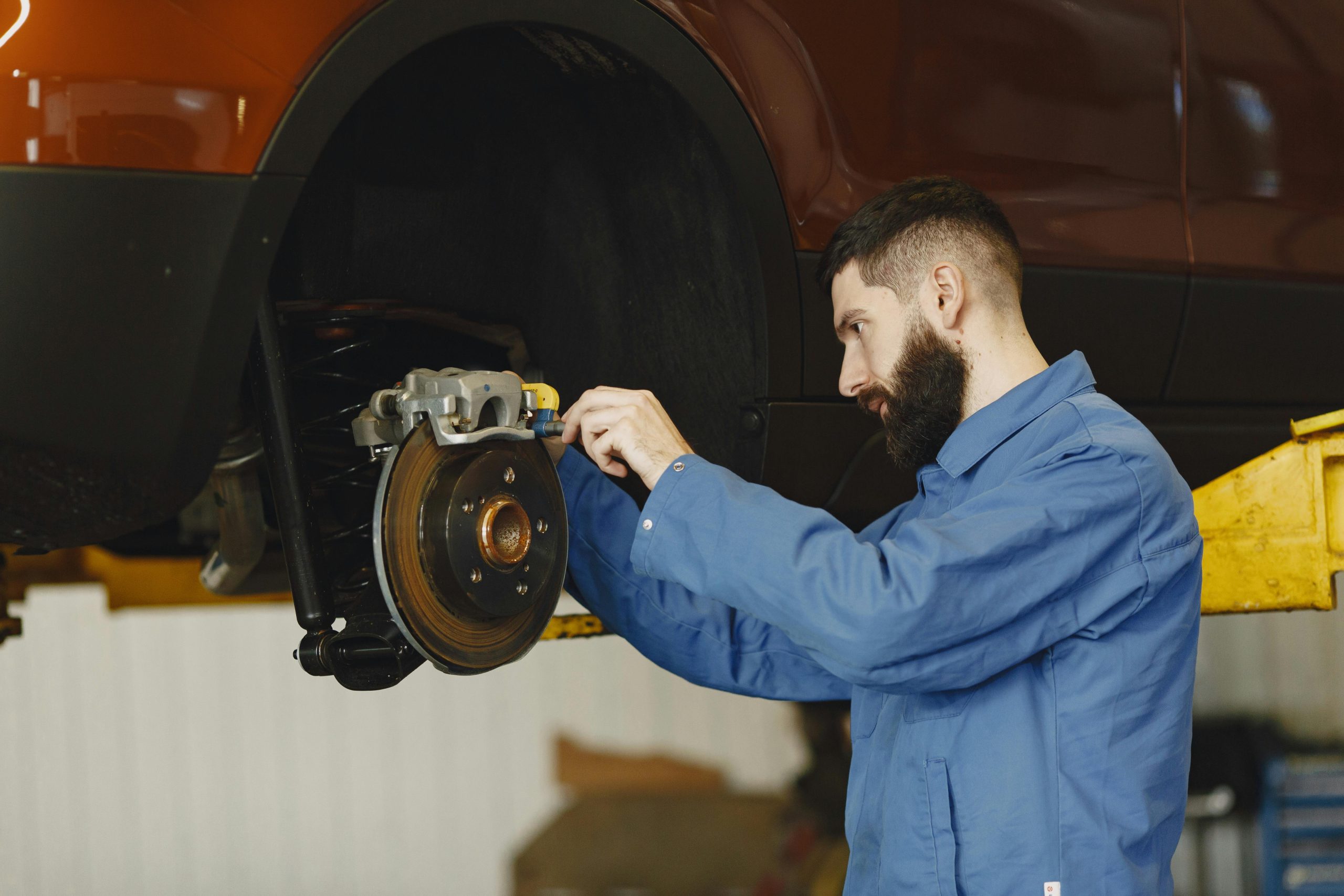
Your car’s braking system is one of the few components that directly determines whether you stop safely or face a dangerous situation. While many drivers pay attention to oil changes and tire rotations, brake service is often postponed until a warning sign becomes impossible to ignore. Regular brake maintenance is not just about preventing noise or wear; it plays a critical role in safety, performance, and long-term vehicle reliability.
Brakes Are Under Constant Stress
Every time you slow down, your brakes convert motion into heat through friction. This process happens thousands of times over the life of a vehicle, often under varying conditions such as heavy traffic, wet roads, or steep downhill driving. Over time, brake pads thin, rotors wear unevenly, and fluid absorbs moisture, all of which reduce stopping efficiency.
Because braking systems operate under such intense stress, small changes can quickly become serious issues. Routine brake service allows technicians to spot early wear before it compromises performance. Addressing these issues early helps ensure that the system continues to respond precisely when it is needed most.
Safety Depends on Predictable Stopping Power
A well-maintained braking system provides consistency. When you press the brake pedal, you expect the car to slow down smoothly and predictably. Worn components can cause delays in response, vibrations, or uneven braking, which increases stopping distance and reduces control.
Regular brake service restores balance to the system. It ensures that brake pads contact the rotors evenly and that hydraulic pressure is distributed properly. This consistency is especially important in emergency situations, where even a split second can make the difference between avoiding a collision and experiencing one.
Preventing Minor Wear From Becoming Major Damage
One of the most practical reasons to service brakes regularly is cost prevention. Brake pads are designed to wear out first because they are relatively affordable to replace. When worn pads are ignored, they can damage rotors, calipers, and other components that are far more expensive.
Routine inspections catch worn pads before they grind into metal surfaces. Replacing parts at the right time protects the entire braking system and helps drivers avoid large, unexpected repair bills. In the long run, regular brake service is often more economical than waiting for a failure.
Maintaining Control in All Driving Conditions
Brakes are not used only during sudden stops. They play a role in maintaining control during turns, descents, and changing road conditions. In rain, heat, or heavy traffic, the braking system must adapt quickly to shifting demands.
Brake service ensures that components function effectively regardless of conditions. Clean, properly lubricated parts move freely, while fresh brake fluid maintains the correct pressure. This responsiveness helps drivers maintain confidence and control, even when roads or driving environments are unpredictable.
Brake Fluid and the Importance of System Health
Many drivers overlook brake fluid, assuming it lasts forever. In reality, brake fluid absorbs moisture over time, which lowers its boiling point and reduces effectiveness. Old fluid can lead to a soft brake pedal and inconsistent stopping performance.
Regular brake service includes checking and replacing fluid when necessary. This simple step preserves hydraulic integrity and protects internal components from corrosion. Maintaining fluid quality ensures that the entire system functions as designed, especially under heavy braking.
Protecting Other Vehicle Components
The braking system works in harmony with other safety features such as traction control and anti-lock braking systems. When brakes are worn or uneven, these systems may not perform as intended. Regular service keeps all components working together smoothly.
Properly maintained brakes also reduce strain on suspension and tires. Balanced braking prevents uneven tire wear and minimizes vibration, contributing to a smoother and more comfortable driving experience.
Building Confidence Behind the Wheel
Knowing that your brakes are in good condition changes how you drive. Confidence in your vehicle’s ability to stop allows you to focus on traffic, navigation, and road awareness rather than worrying about mechanical failure.
This peace of mind is especially valuable for long drives, daily commutes, or transporting family members. Regular brake service reinforces trust in your vehicle, making every trip feel safer and more controlled.
Conclusion
Regular car brake service is not just a maintenance recommendation; it is a responsibility that directly affects safety, performance, and financial well-being. By addressing wear early, maintaining fluid health, and ensuring consistent stopping power, drivers protect themselves and others on the road. Investing in routine brake maintenance keeps your vehicle responsive, reliable, and ready to stop when it matters most.
